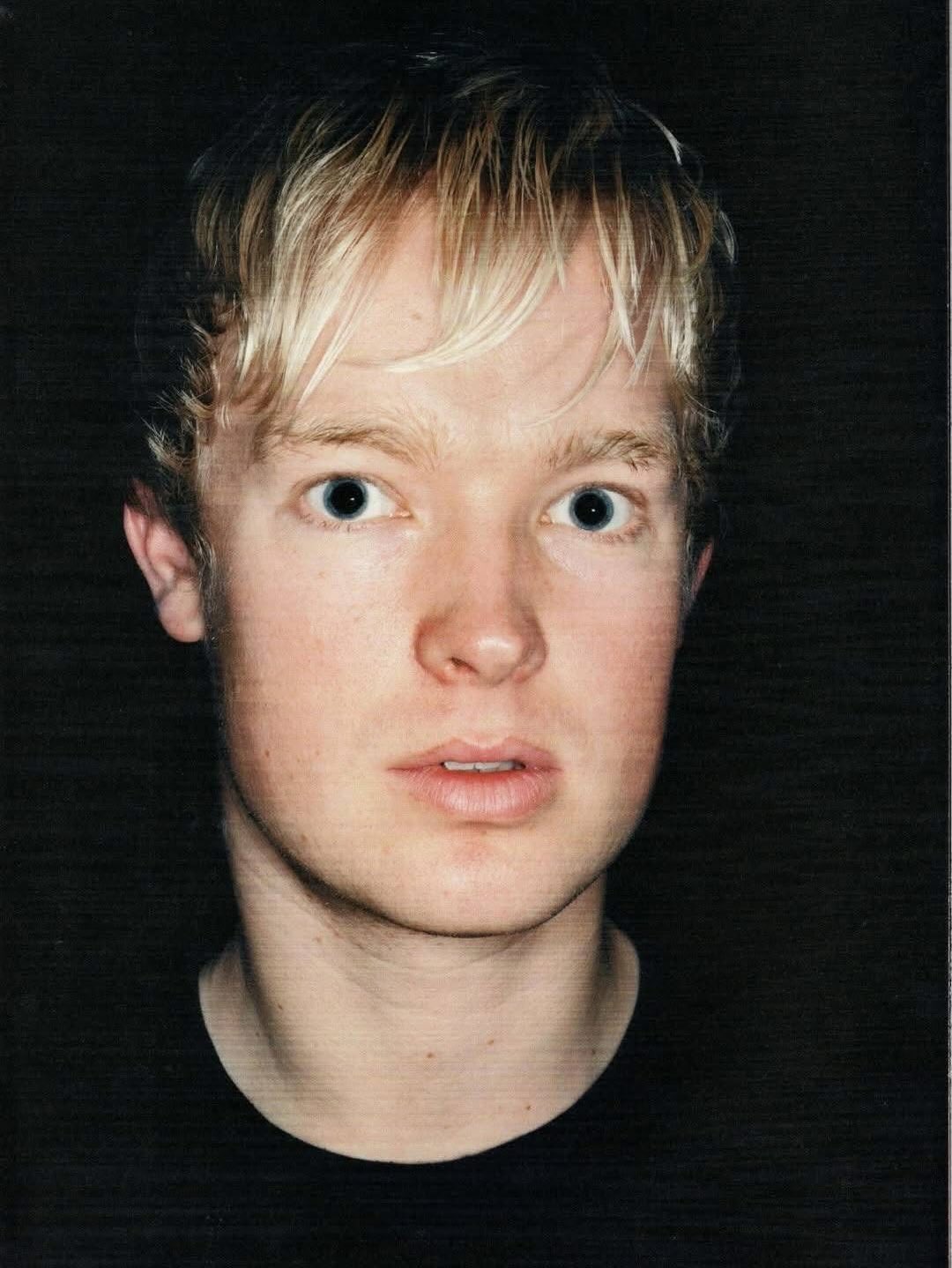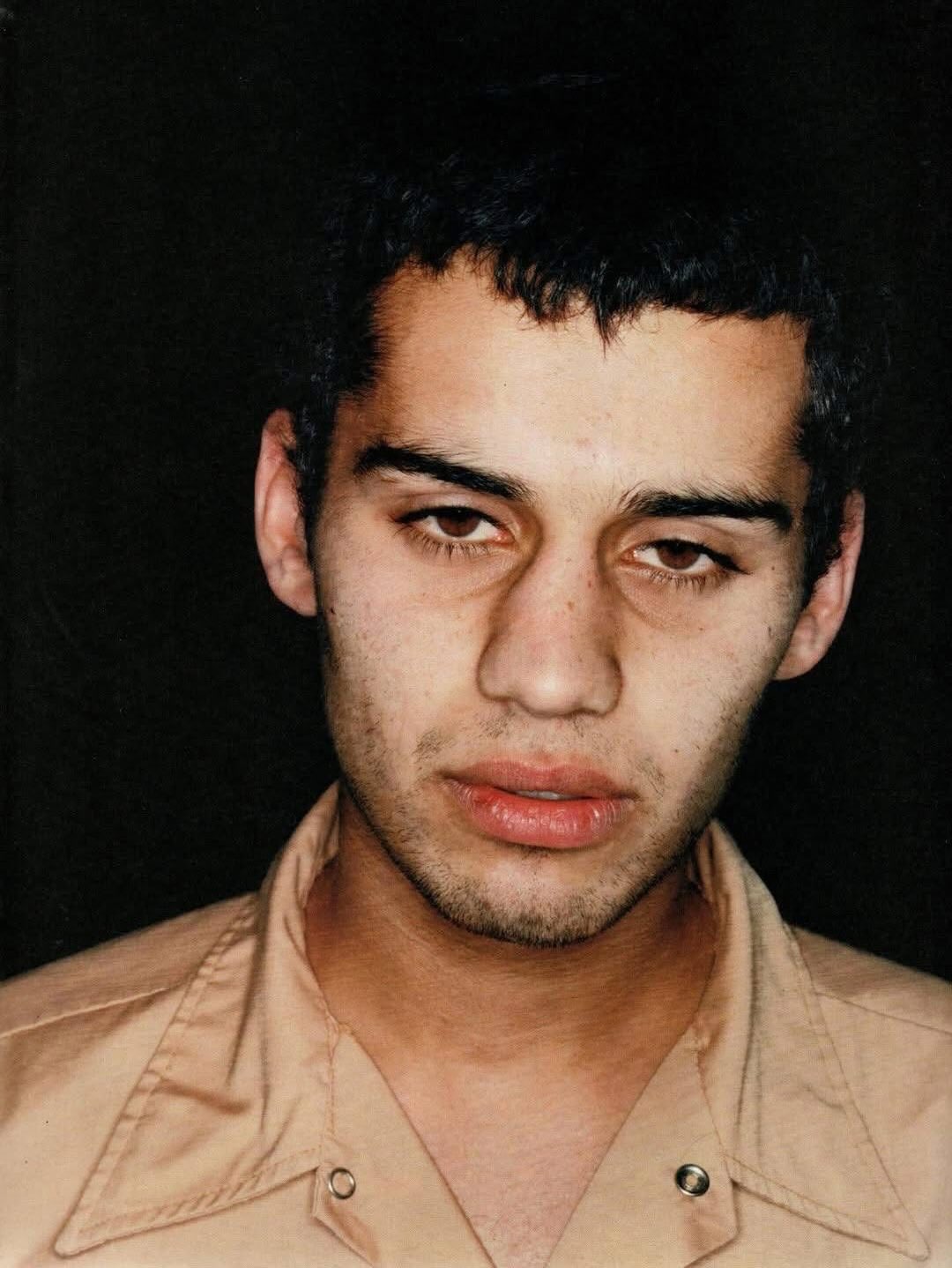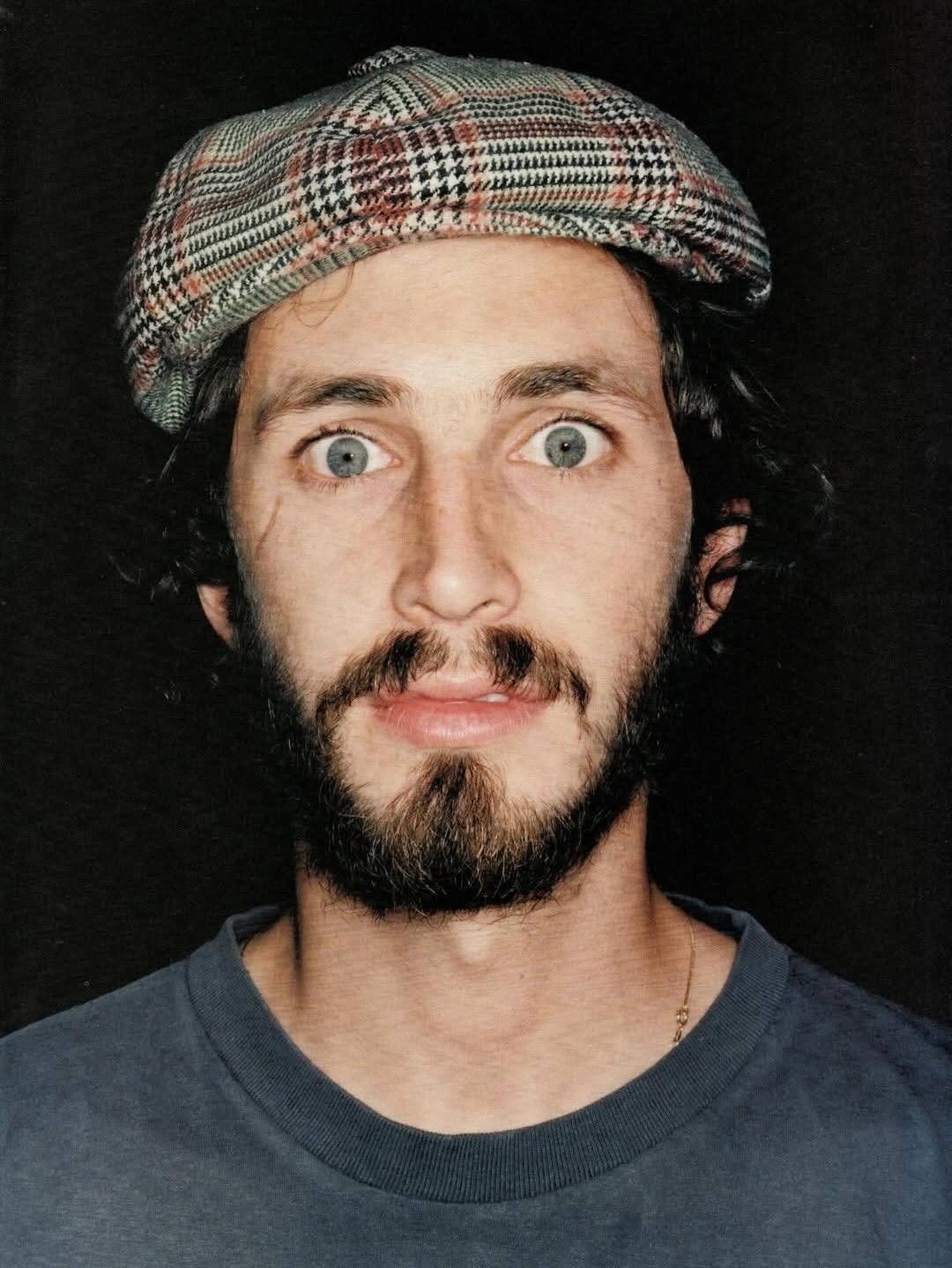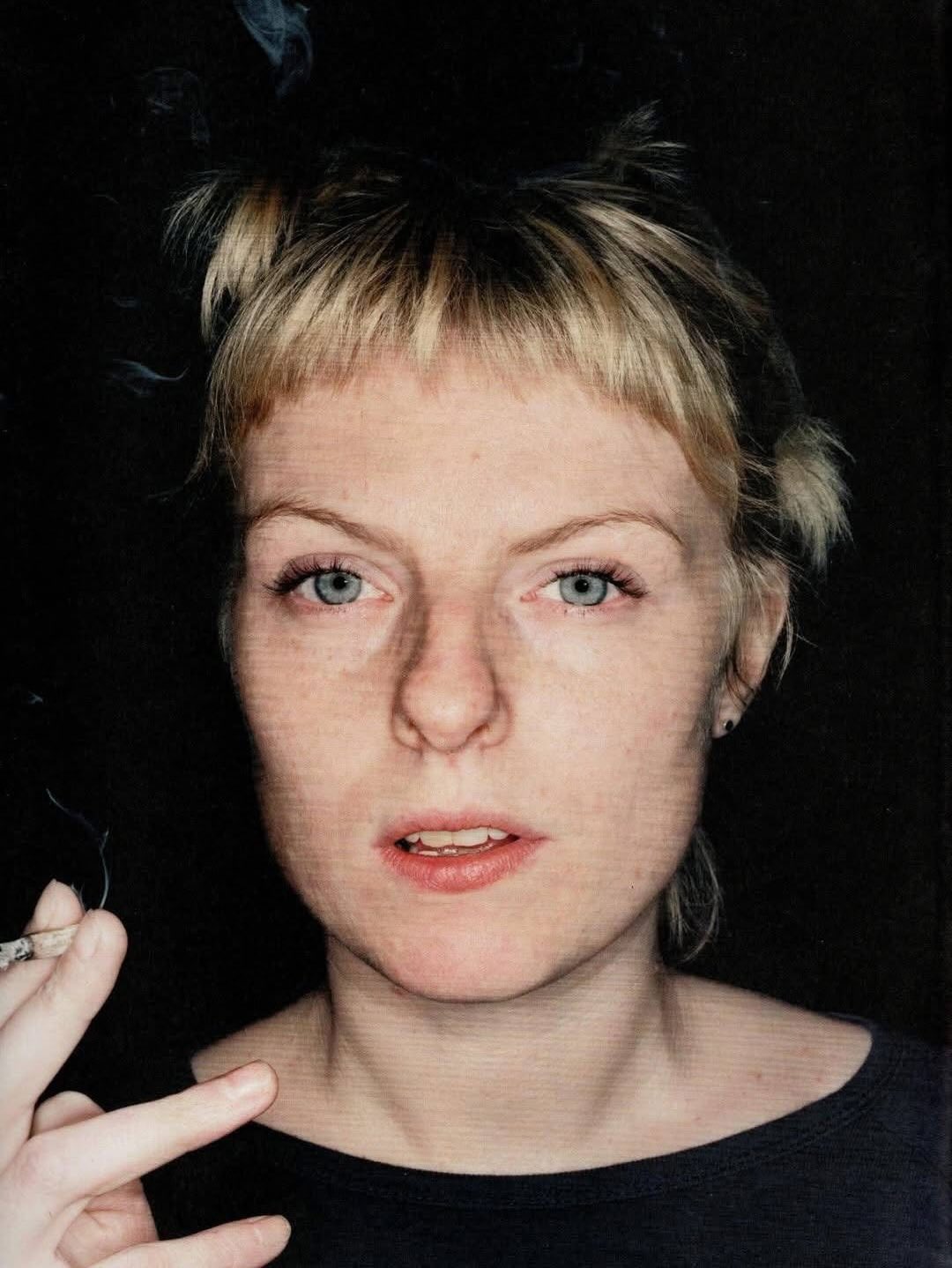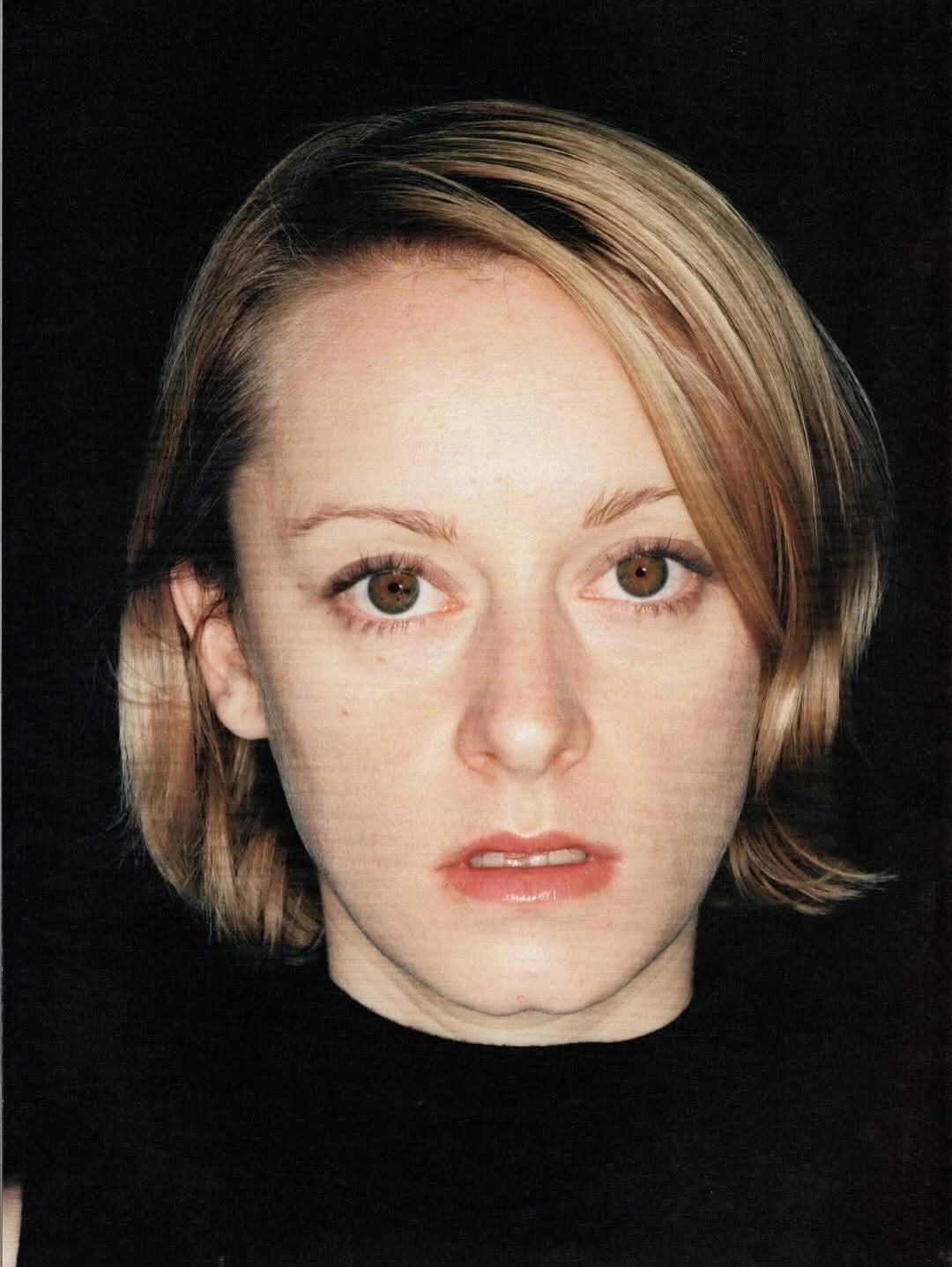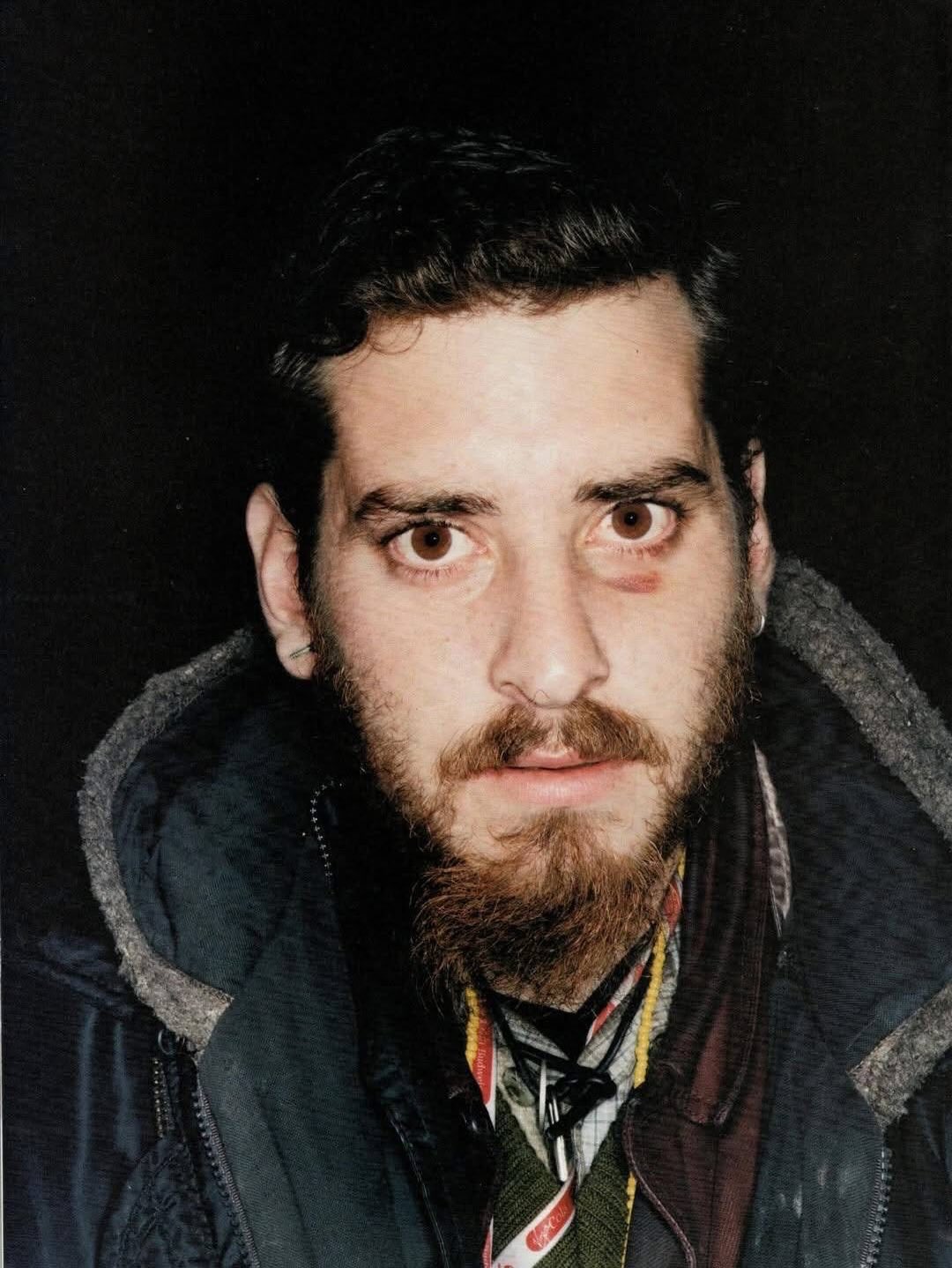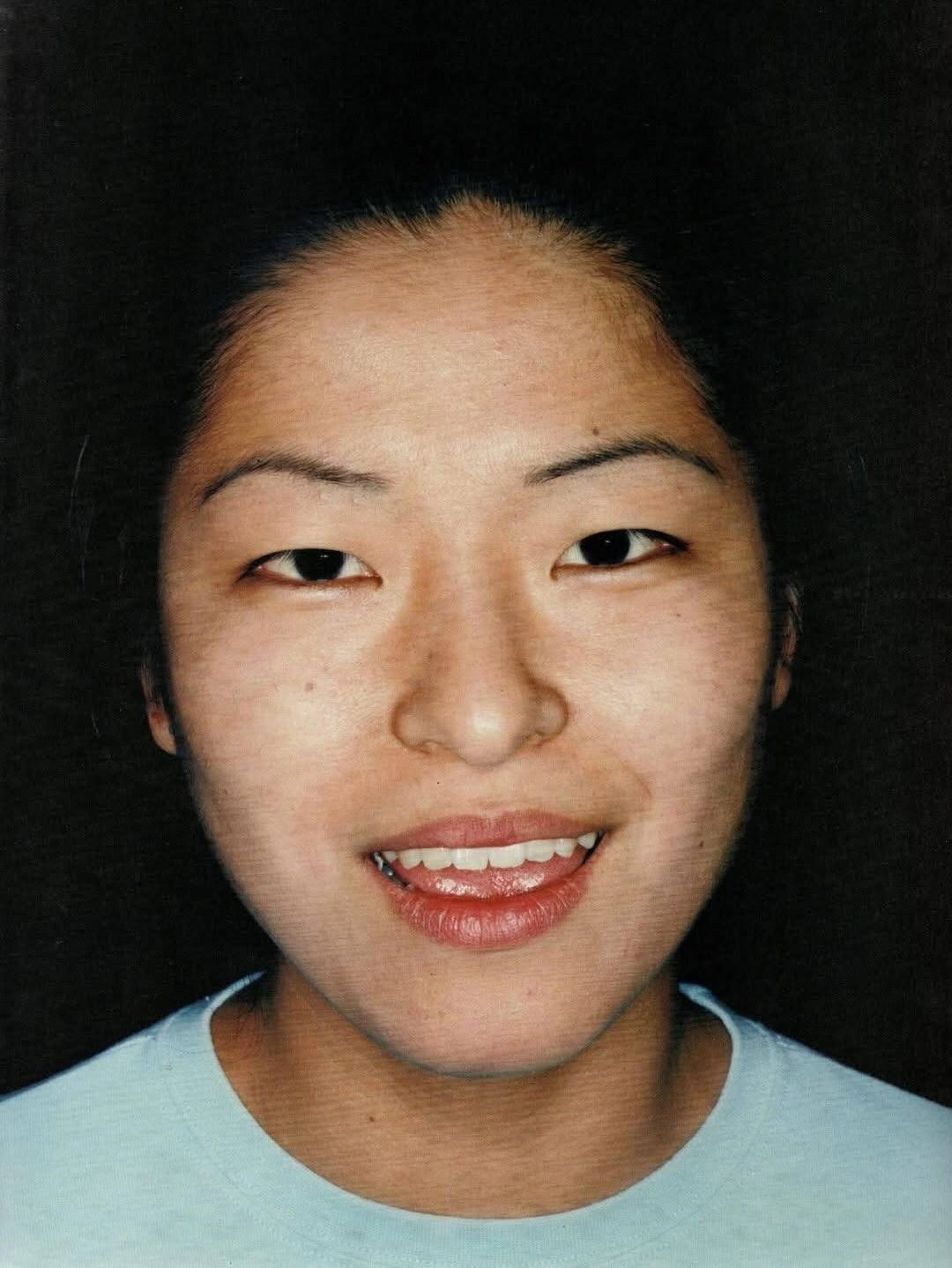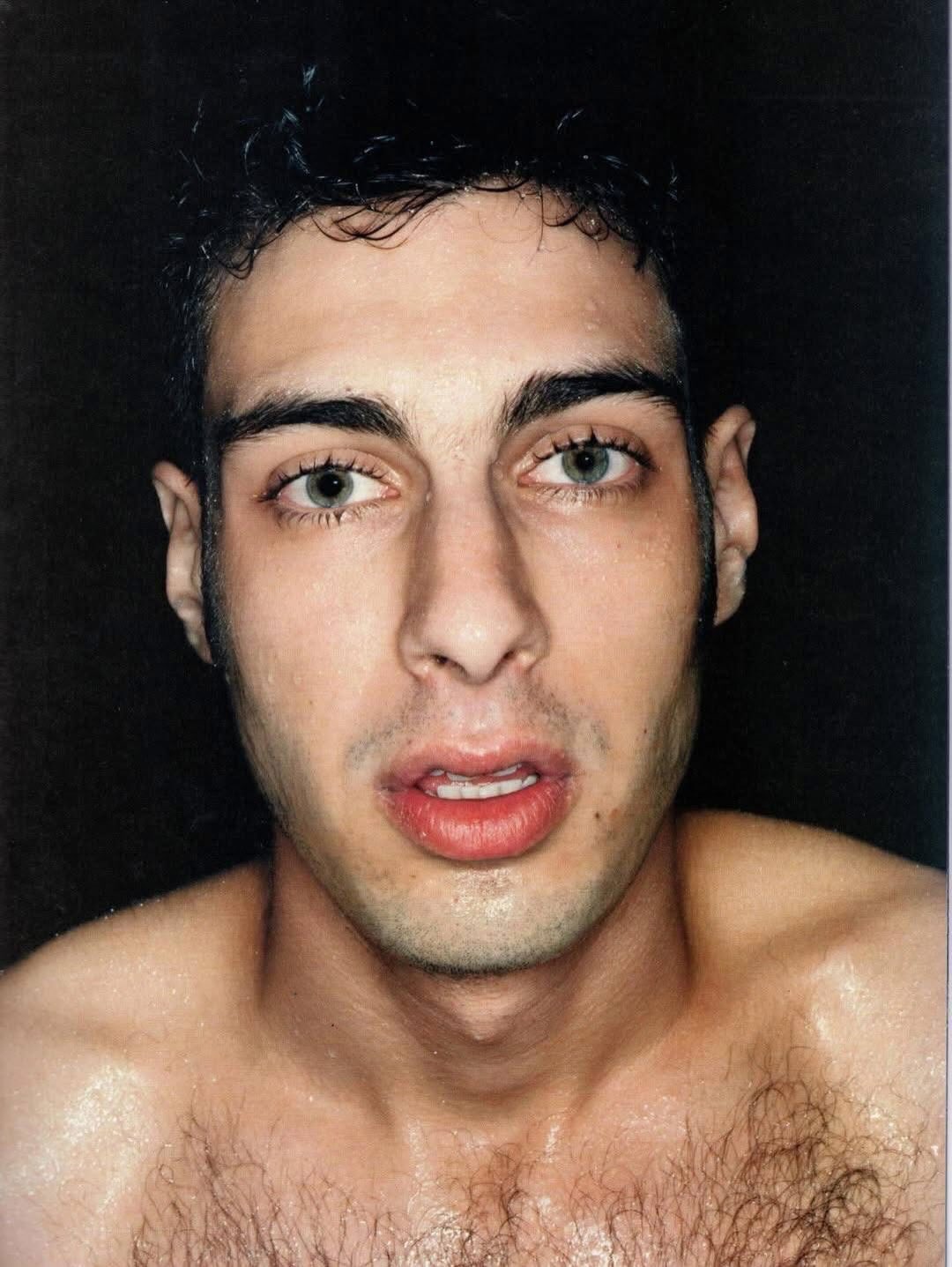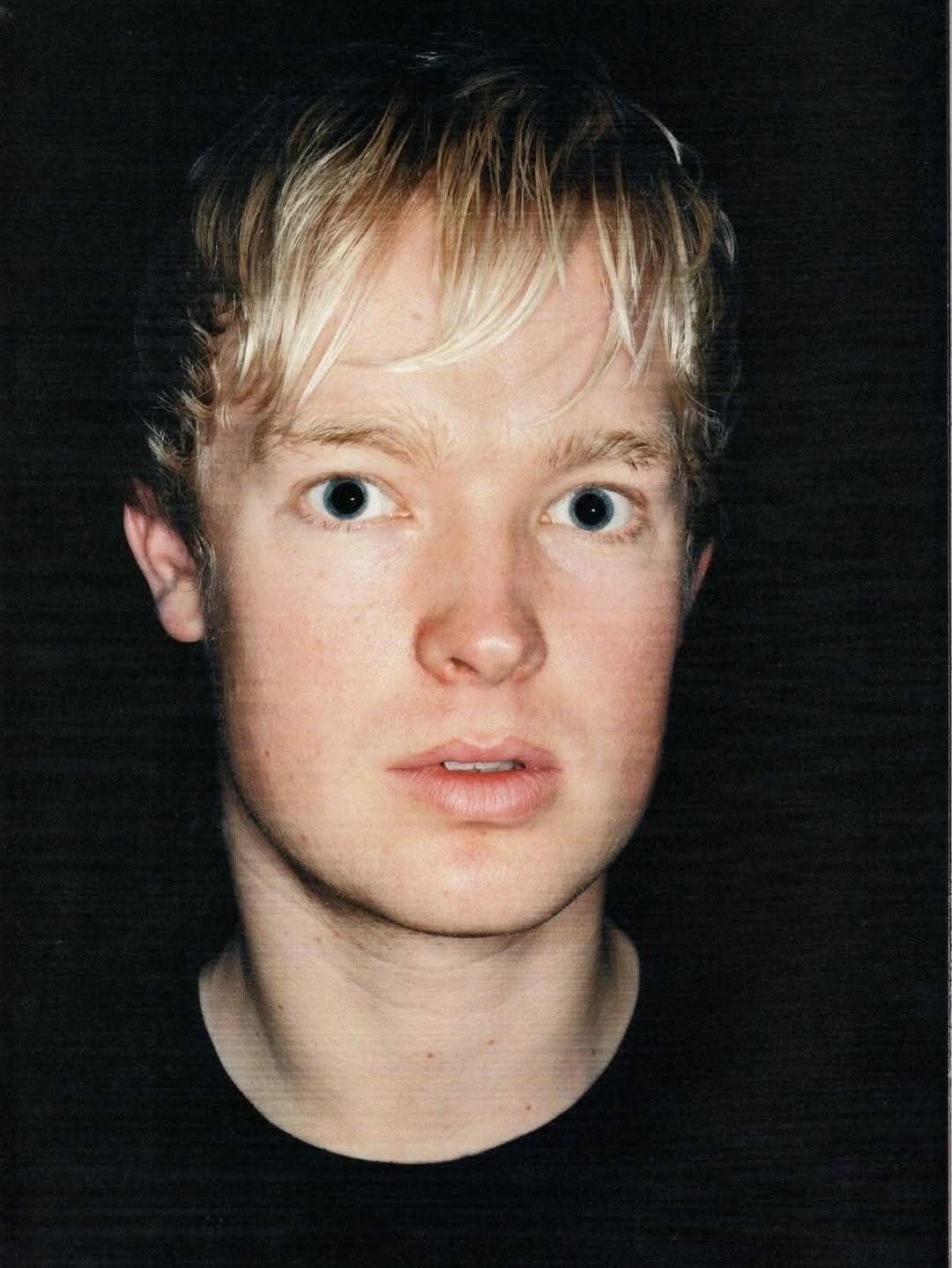
At the start of the 2000s, The Face stepped away from headlines and statistics to capture something more direct — real voices from Britain’s drug culture.
The “Drug Nation UK” supplement wasn’t about shock value. It was about perspective. People spoke in their own words, describing experiences that felt less like rebellion and more like routine.
What stood out was the tone. There was no drama, no urgency — just everyday honesty. For many, drug use existed alongside normal life: jobs, social circles, and habits that didn’t seem out of place at the time.
Some reflections revealed dangerous assumptions. One voice admitted they never thought cocaine could be addictive — a detail that highlights how easily perception can drift from reality.
Others described psychedelics almost casually, focusing on experience rather than risk. The idea of unpredictability became part of the appeal, not a warning sign.
Even social spaces reflected this normalization. Stories of environments shaped by addiction — like pubs run by regular users — showed how deeply embedded these patterns could become without drawing attention.
The feature captured a wide spectrum: from rave culture and ecstasy to quiet, normalized drinking at work. It wasn’t a fringe story — it was mainstream life, just rarely documented this honestly.
Looking back, the piece reads like a cultural snapshot. Not a warning, not a celebration — but a clear view of a moment when boundaries between risk and routine were blurred.
By letting people speak for themselves, The Face avoided judgment. It simply presented reality — complex, uncomfortable, and undeniably human.